


The Power of Friendship in Children’s Books: Messy, Magical, and Real
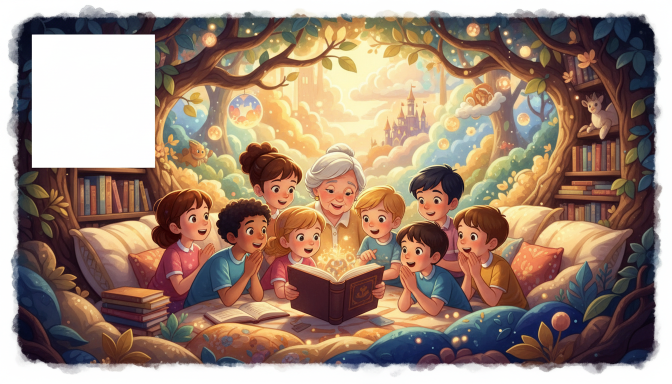
This morning my kid asked if a worm could be his “school buddy” and then cried when the worm crawled away. Same, kid. Friendship is weird and wonderful and sometimes a tiny bit gross. And honestly, that’s why children’s books about friendship hit so hard—they make all that messy magic feel okay.
As a parent, I want my little humans to learn how to be kind, brave, and to say “sorry” without sounding like a grumpy cat. Books do some of that heavy lifting for me (bless them). When I’m tired and the snack drawer is a war zone, a good story steps in like, “I got this.”
Why Friendship Matters (and Why SEL isn’t just a buzzword)
Friendship in childhood is a practice gym for real life. Through stories, kids try on feelings—lonely, loyal, jealous, brave—and learn what to do with them without wrecking the living room.
Educators talk about social-emotional learning (SEL) because it builds skills like empathy, cooperation, and conflict resolution. Reading friendship stories is like a safe rehearsal space where nobody gets benched for messing up.
What Does Friendship Look Like in Children’s Books?
It’s not all hand-holding and rainbow sprinkles. Real friendship in books shows kids sticking around when things get awkward, cheering during wins, and apologizing when they screw up.
Look for characters who listen, take turns, share snacks (the ultimate sacrifice), and repair after conflict. The best stories celebrate differences and model boundaries without being preachy.
Beloved Examples That Totally Deliver
- Charlotte’s Web: A spider who writes encouragement? That’s peak friendship. It shows loyalty, sacrifice, and the “you matter” message kids crave.
- Frog and Toad: Everyday small acts—letters, cookies, patience—teach that friendship lives in the ordinary. Also, Toad’s mood? Relatable.
- Winnie-the-Pooh: A honey-loving optimist and his forest crew model gentle problem-solving, acceptance, and the art of showing up.
How Authors and Illustrators Show Friendship
- Dialogue that sounds like kids: Honest, funny, sometimes blunt. Kids recognize themselves and feel seen.
- Conflict and repair: Friends argue, make a plan, and fix it—no perfect angels required.
- Diverse characters and settings: Different cultures, abilities, and family structures help kids see friendship everywhere.
- Illustration style: Gentle colors for safety, bold lines for big feelings, visual jokes to keep everyone giggling.
Benefits Kids Actually Feel
- Empathy: Seeing another character’s point of view makes “me-first” turn into “me-and-you.”
- Cooperation: Teamwork to solve problems (even cookie crises) builds confidence.
- Emotion regulation: Stories normalize big feelings and model ways to cool down.
- Problem-solving: Kids practice scripts like “Can we try again?” or “How can we fix this?”
Interactive Friendship Activities (Home or Classroom)
- Friendship Coupons: Make coupons like “Your Turn First,” “I’ll Help Clean Up,” or “Secret Handshake Session.”
- Kindness Bingo: Fill squares with actions like “Invite someone new” or “Share the last crayon.”
- Role-Play Resets: Act out a toy-sharing disaster and practice repair language: “I’m sorry I grabbed. Want a turn now?”
- Craft a Buddy Book: Staple paper into a mini-book. Page prompts: “We have fun when…,” “When I’m sad, you…,” “I can be a good friend by…”
- Guided Discussion Jar: Questions like “What makes someone a good friend?” and “How do we handle a mistake?”
- Write a Thank-You Note: Short, sweet, and powerful. Gratitude builds bonds.
Research and Expert Insights (In Parent-Speak)
Child development experts often highlight that perspective-taking grows with stories; when kids follow a character’s feelings, empathy strengthens. SEL frameworks (like those many schools use) point to relationship skills—listening, cooperation, and repairing harm—as core to thriving in and out of class.
Researchers also note that reading aloud together boosts language and emotional understanding. Translation for us? Snuggly story time now, fewer friendship freak-outs later. No perfection required—just consistency and curiosity.
Real-Life Parent Confession
I once told my kid, “Use your words,” and he shouted, “MY WORD IS NO,” then stormed off like a tiny CEO. Ten minutes and one book about sharing later, we practiced a redo. Did it fix everything? Nope. But it gave us a script and a laugh, which honestly beat another lecture.
Quick, Practical Tips You Can Try Tonight
- Read for 10 minutes and pause to ask, “How does the friend feel right now?”
- Model repair: Say, “I snapped earlier—sorry about that. Next time I’ll breathe first.”
- Use friend phrases: “Want to play together?” “I need space.” “Can we try again?”
- Spotlight small wins: Catch them being kind and name it: “You waited your turn—that was thoughtful.”
- Keep a feelings chart nearby so kids can point when words are hard.
- Rotate friendship books so the message sticks without turning into a lecture.
Wrap-Up: Keep the Conversation Going
Friendship isn’t a one-and-done lesson. It’s a hundred tiny moments—some sweet, some chaotic, occasionally loud. The good news? Stories help kids try again without shame. That’s the kind of practice that sticks.
Want ready-to-read friendship tales and easy prompts? Check out Read Fluffy for kid-friendly stories that build empathy without feeling like homework.
Before you go, ask your kid: “Who felt left out today?” “What made you feel like a good friend?” “What’s one kind thing we can do tomorrow?” Then high-five the effort. You’re doing great—even on the days that look like a beautiful, loving, damn mess. 💛