


10 Courage-Building Kids’ Stories for Anxious (and Brave) Hearts
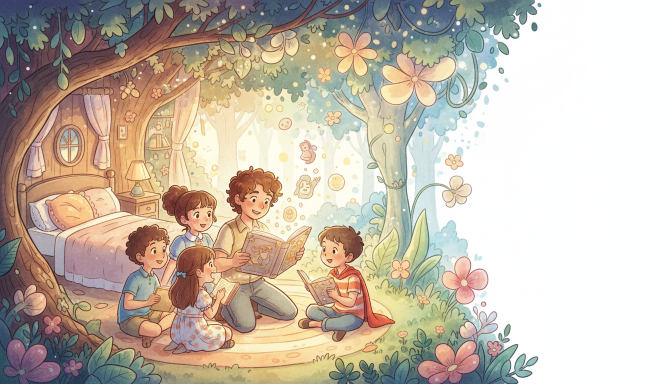
Last night my kid refused to brush teeth because a “shadow monster” lives by the sink. Same, buddy—have you seen our laundry pile? We built a pillow fortress, grabbed a book, and five pages later the shadow monster was just a grumpy towel. Stories are magic like that—less mess than glitter, more power than coffee.
If your child is anxious, sensitive, or just going through a nope-phase, brave stories can help. Not to scare them silly, but to practice being brave in tiny, safe doses. Think “spooky but soft,” a place where we laugh, name the fear, and try again tomorrow.
Why brave stories matter for anxious kids
Kids don’t need lectures; they need a map. Courage stories hand them one—how to spot the scary, gather helpers, and take one small step. When danger stays in the story, kids can poke it, joke with it, and win. That little win? It sneaks into real life like, oh look, I can actually sleep without the hallway light on.
Top 10 children’s stories about courage
- The Gruffalo (Julia Donaldson & Axel Scheffler) — A small mouse outsmarts big, toothy trouble using brain over brawn. Kids see that “tiny” doesn’t mean powerless.
- Jabari Jumps (Gaia Cornwall) — Gentle, step-by-step bravery on a diving board with a dad who gets it. Perfect for kids who need time, space, and one deep breath.
- Brave Irene (William Steig) — A determined kid faces wind, cold, and “ugh, this is hard,” and keeps going anyway. Perseverance with a side of cozy.
- Where the Wild Things Are (Maurice Sendak) — Max stomps through big feelings, meets monsters, and returns home safe and seen. It’s permission to feel loud and still be loved.
- The Dark (Lemony Snicket & Jon Klassen) — The dark becomes a character, and it’s not out to get us after all. Smart reframing for night-time worries.
- O statečném kováři (The Brave Blacksmith) — Classic Czech folk tale where a bold blacksmith tackles impossible tasks with grit and wit. Old-school heroism with a warm heart.
- Čert a Káča (The Devil and Kate) — Czech folktale fun: a fearless girl outdances the devil and turns the tables with humor. Courage plus sass? Yes, please.
- Anansi and the Moss-Covered Rock — West African trickster tale showing cleverness as a form of bravery. Kids love the “I remember the secret!” payoff.
- Momotaro (Peach Boy) — Japanese folktale where a kid and his animal crew face ogres together. Teamwork makes the brave work.
- The Boy Who Harnessed the Wind (picture book adaptation) — Real-life courage and problem-solving that inspires big hope. Fear meets creativity and loses.
What these “scary” stories have in common
- They keep danger make-believe and manageable, so kids can explore it safely.
- They use humor and helpers to lower the “oh no” and raise the “I can.”
- They break courage into steps—notice, name, plan, try, celebrate.
- They end with safety restored, which tells the brain: see, we made it.
Fairy tales as a therapeutic tool
Brave stories act like gentle exposure—kids face a fear at a safe distance, then discover nothing terrible happens. That tiny victory rewires the “uh-oh” alarm. Reading with a calm, attuned grown-up adds co-regulation—your steady voice becomes their steady voice. Over time, repetition turns “yikes” into “I’ve got this,” which is basically kid superpower fuel.
Formats we love: books, audio, and interactive fun
Some days my kid wants to turn pages; other days, only audio will do because dinner is boiling over and I’m out of hands. Mix it up—print books for cuddle time, audiostories for car rides, and interactive retellings at the table with spoons for characters. Podcasts and simple puppet shows make great low-prep theater. Brave comes in many formats; pick the one your Tuesday allows.
Storytelling in practice: easy techniques that build courage
Try this tonight: pause at the tense part and ask, “What could our hero try next?” You’re nudging problem-solving without a pop quiz. Give the fear a silly name—“Sir Wiggle-Knees”—and watch the power shift. Role-play the hero and let your child be the coach; kids love being the brave boss.
Activities and courage games (for home and school)
- Courage buddy: A small stuffed friend “whispers” pep talks during tricky moments. Yes, my kid coaches a dinosaur. It works.
- Make-your-own tale: Fold paper into six boxes; draw the fear, the helper, the plan, the try, the oops, the win. Read it at bedtime like a comic.
- Bravery jar: Each tiny risk earns a bead or note. When the jar fills, celebrate with a “hero’s picnic.”
- Flashlight theater: Lights off, shadows on. Put the monster on the wall, then shrink it with your fingers. Boom—power reclaimed.
- Step ladder: Break one big fear into five baby steps. Celebrate each step with a fist bump and an extra page of story time.
Cultural tales and big, beautiful variety
Show kids that courage wears many outfits—clever like Anansi, determined like Momotaro, warm-hearted like the Brave Blacksmith. Different cultures tackle fear with teamwork, humor, and community. Talk about what bravery looks like in your family and why. It’s not one-size-fits-all; that’s the damn beauty of it.
What research and experts say (in plain parent-speak)
Child development research points to three big helpers: practice, co-regulation, and meaning-making. In simple terms? Repeat brave moments, borrow a grown-up’s calm, and tell the story so the fear doesn’t get the final word. Pediatric therapists often use stories and play as gentle exposure because it sticks. Librarians have known this forever—reading together lowers stress and raises connection.
Real talk from my messy kitchen
I’ve tried the “be brave!” pep talk. Sometimes it lands; sometimes it backfires and we both end up cranky. Stories are my cheat code when my patience is at 2% and bedtime is already late. They sneak courage in the side door while we giggle at a silly monster with questionable dental hygiene.
Quick-start cheat sheet
- Pick one courage story tonight and read it twice—the second time, let your kid fill in lines like a pro.
- Name the fear, then shrink it with humor. “The Sneaky Sink Shadow” can’t compete with your kid’s boss voice.
- After the story, ask one question: “What would you try first if you were the hero?” Then stop. Let them think.
- Celebrate tiny bravery. Bravery points, stickers, victory dance—go wild.
- Need hands-free help? Turn on an audio version while you wrangle pajamas and snack negotiations.
Want more gentle, brave-building stories?
If you’re nodding along and maybe tearing up a little (same), come hang with us at readfluffy.com. You’ll find kid-safe, scary-but-sweet tales, plus easy prompts that turn reading into real-life practice. Try a bedtime audiostory this week and see if the shadow monster gets bored and moves out. Your future self will say, “well, holy heck, that worked.”
Wrapping up
Brave stories won’t erase all the fear, but they give our kids language, laughter, and a plan. That’s huge. Share your family’s go-to courage story in the comments, pass this to a friend who needs a win, and tell me what worked (or hilariously didn’t). We’re all figuring this out together—spilled milk, big feelings, and the sweetest victories. ❤️