


How to Talk to Kids About Unfair Friends—Using Stories That Teach
Last week my kid told me, with the seriousness of a tiny judge, “That’s not fair!” because I cut the sandwich into the wrong triangles. Ten minutes later, we were actually dealing with a real unfair moment—playground friend kept changing the rules mid-game. And honestly? I felt that little zing of parent panic. What do you say without sounding preachy—or worse, totally out of touch?
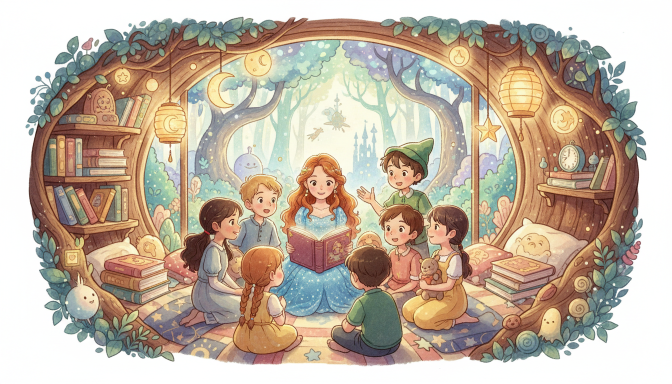
Here’s what’s saved my butt more times than I can count: stories. Teaching fairness to kids through children’s stories about friendship gives us a safe, cozy way to talk about big feelings and not-so-cozy behavior. No lectures. Just page turns, questions, and a few deep breaths.
What “fair” means to kids (and why it triggers BIG feelings)
Fairness for little kids often equals “the same.” If one kid gets two cookies, you better believe the fairness sirens are ON. But by early school age, kids can learn that fair sometimes means “what each person needs.” That shift is huge—and stories help kids see it without feeling called out.
Unfair moments hit hard because they mix confusion (“Why did my friend do that?”) with threat (“Will I be left out?”). Naming those feelings is step one. Then we practice what to do next—ideally before the next playground plot twist.
Why stories work when a friend isn’t fair
Stories give kids safe distance: it’s about the character first, not them. They model choices and consequences, so kids can try on brave responses without the heat of the moment. Plus, reading together builds connection—aka your superpower when shit hits the fan.
And honestly, stories slow us down. When I’m tempted to shout “Just share the scooter already!”, a good picture book reminds me to breathe, ask, and coach. Not perfect, just better.
Stories to try (fast, friendly, and full of heart)
- The Little Lion Who Wanted to Play (O lvíčeti, které si chtělo hrát): A lion cub hogs the best toy and forgets turn-taking. Talk about feelings on each page (“Who looks frustrated?”), then ask, “What could the cub say to make it fair?”
- Friend Žofka and the Big Unfairness (Kamarádka Žofka a velká nespravedlnost): A friend keeps changing the rules to always win. Try: “How would you handle it?” and “What’s a rule everyone could agree on before the next round?”
- Create-your-own mini fable: Make up a simple tale about two characters learning to take turns or split treasure. Kids love hearing their own names as heroes—instant buy-in.
Not sure where to start? Pick any story where a character wants something and someone else gets in the way. That’s basically 80% of kids’ plots—and the perfect doorway to fairness.
How to read, tell, and talk so it sticks
- Stop-and-Ask: Pause after tricky moments. “What’s fair here?” “What could they try?” Keep it snappy—10 seconds—so the story keeps flowing.
- Name-It-to-Tame-It: Label feelings without judgment. “You wanted a turn and felt mad. Makes sense.” Kids calm down when they feel seen.
- Try-Three: Offer three options: ask for a turn, propose a rule, take a break. Let your child pick. Choice = power.
- Connect-the-Dots: “Remember recess yesterday?” Link the story to a real moment so your child can rehearse a better plan.
- End with a Script: One sentence your kid can use tomorrow, like, “I want a fair turn. Let’s set a rule.”
What kids gain (and why it’s worth the mess)
Fairness talks through stories build empathy (“How did the mouse feel?”), communication (“What can I say?”), and problem-solving (“What else could work?”). That’s classroom gold and playground peace. Bonus: kids practice emotion regulation—deep breaths, new plans, less meltdown. Can I get an AMEN?
Interactive ideas kids actually love
- Role-Play Remix: Switch roles—your child plays the “rule-changer,” you practice calm scripts. Then swap. It’s silly and weirdly effective.
- Story Scene Drawing: Draw one unfair moment and one fair fix. Caption together: “Next time we will…” Put it on the fridge like a little billboard of hope.
- Fairness Jar: When someone uses a fairness script, add a token. Trade tokens for a family game night. Positive vibes only.
- Rule Maker: Before games, your child suggests one clear rule everyone repeats. Boom—expectations set.
- DIY Mini-Book: Fold paper, add 6 boxes, and create “Our Fair Play Story.” Kids become co-authors. Instant pride.
Kid-friendly scripts for unfair moments
- “I want a fair turn. Can we set a rule?”
- “Let’s agree on the rules before we start.”
- “I feel upset when the rules change. Can we try again?”
- “I’m going to take a break and come back when we can be fair.”
What research and experts say (quick snapshot)
- Kids notice fairness early; by preschool they track who gets what and how. Naming fairness and modeling solutions builds understanding.
- Shared reading boosts language and “theory of mind” (seeing others’ perspectives). That’s empathy’s home base.
- Practicing scripts and role-play improves problem-solving and reduces conflict because kids have a plan when emotions spike.
- Co-regulation (your calm + simple steps) helps kids bounce back faster after unfair moments.
Real talk from my living room
I wish I’d handled every unfair-friend moment like a patient zen master. Truth? I’ve definitely said, “Just share the damn scooter,” and immediately regretted it. The good news is kids don’t need perfect. They need consistent, warm practice—and a parent who keeps trying.
Try this tonight (quick plan)
- Read one story from the list.
- Ask one question (“What’s fair here?”).
- Practice one script together.
- Pick one plan for tomorrow’s playtime.
Four steps. Five minutes. Big kid energy unlocked.
Wrap-up and a little nudge
Fairness isn’t about perfect halves; it’s about respect, clarity, and do-overs. Stories make that lesson gentle and sticky. If you want more children’s stories about friendship (and zero mom-guilt), explore fresh reads and audio on readfluffy.com. Then come back and tell me: what worked, what flopped, and what made you laugh-cry 🤦♀️💛.