


Audio Stories vs Screens: Why Kids Win with Sound-Only Magic
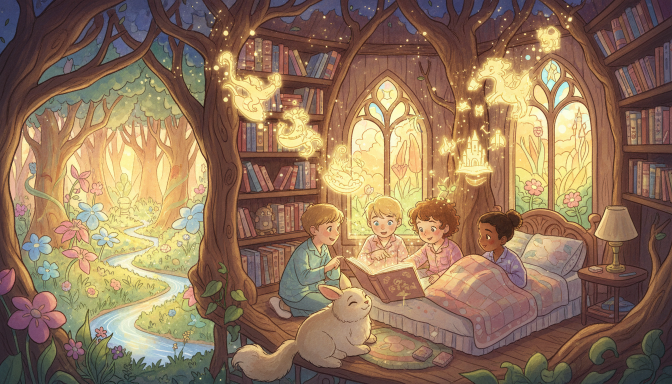
Why we reached for audio instead of another video
Last week my kid asked for “just one more episode” for the fourth time, and my brain did that tired-parent static noise. I handed over headphones and hit play on an audio story instead. Ten minutes later, the room was calm, the Lego castle was taller, and nobody was melting down. I thought, huh, this sound-only thing might be freaking magic.
Look, I’m not anti-screen. I love a good Paw Patrol lifeline as much as the next frazzled human. But when we swapped a few videos for audio fairy tales, the vibe at home shifted—less tug-of-war, more imagination, and bedtime didn’t feel like a hostage negotiation. Small change, big win. 😅
How audio stories support kids’ development
Teachers and speech-language folks keep saying it: listening is a superpower we can train. Audio stories quietly build it, without the sugar rush of fast visuals.
- Focus muscles: With no flashing pictures, kids practice sustained attention in bite-size chunks.
- Language boost: Rich vocabulary, sentence patterns, and prosody seep in while they play.
- Imagination workout: Brains paint the pictures—hello creativity and problem-solving.
- Calmer nervous systems: Slower pacing and soothing voices can dial down the day’s chaos.
- Listening empathy: Kids tune into feelings in voices, not just faces, which helps with social cues.
Audio vs. video: what actually changes
When kids watch, the pictures are pre-made. When they listen, their brains build the world—and that mental movie is powerful.
- Perception: Audio nudges kids to notice words, tone, and sound details; video can crowd those out.
- Creativity: Stories become collaborative—your kid fills in the dragon’s color, the forest’s smell, the hero’s laugh.
- Attention: Audio is engaging without the “can’t-look-away” zap, which makes transitions way less of a battle.
- Sleep-friendliness: No blue light glow. Quieter energy. Better shot at winding down.
Favorite formats and easy examples
- Classic fairy tales, remixed: A short Little Red Riding Hood with goofy wolf voices never gets old.
- Modern micro-stories: 3–8 minute adventures about robots, rainstorms, or school-day bravery.
- Soundscapes: Gentle rain + a storyteller = instant cozy.
- Parent voice recordings: Record a goodnight poem or the opening to your kid’s favorite tale. Your voice is their superhero theme song.
Confession: my first recording had a loud dishwasher cameo. The kid loved it anyway. Real life is the aesthetic.
Weaving audio into real life
- Morning: One upbeat story while you search for that missing shoe (again).
- Car rides: Trade “Are we there yet?” for chapter two.
- Solo play: Press play, scatter blocks, watch independent play stretch longer.
- Bedtime: Two short tales + your recorded goodnight. Lights low. Everyone breathes.
- Sick days: Snuggly listening nest, zero screen glare.
Interactive ideas for home and classroom
- Pause-and-predict: “What do you think happens next?” Let them steer.
- Character switch: Re-tell the story as the sidekick or the cat. Chaos = laughter.
- Sound scavenger hunt: Clap on “river,” stomp on “dragon.” Instant movement break.
- Draw-then-tell: Sketch a scene after listening; kids explain the who/what/why.
- Build-a-story jar: Pick three words (moon, sock, sandwich) and record a tiny tale together.
- Listening bingo: Make a simple card with “whisper,” “giggle,” “footsteps.” Mark what you hear.
What experts and research are saying
Educators report calmer transitions and richer classroom talk after short listening sessions. Pediatric recommendations point to mindful media use and plenty of language-rich, shared experiences.
Studies comparing audio and video storytelling suggest that sound-only pushes kids to engage language and imagery networks more deeply, which supports comprehension and creativity. Translation: fewer overstimulated gremlins, more thoughtful little humans. That’s a trade I’ll take any damn day.
Quick-start tips (from one tired parent to another)
- Start tiny: Try 5 minutes after dinner or before bath. Win the moment, not the month.
- Set a simple timer: Clear beginnings and endings = fewer “just one more” showdowns.
- Co-listen once: Join for the first play so you can reference the story later.
- Use your voice: Record a 30–60 second intro or goodnight message—kids replay that comfort on loop.
- Keep it cozy: Dim lights, one soft toy, volume low. Instant bedtime upgrade.
- Make a routine playlist: Label tracks like “Morning Pep,” “Calm Down,” “Lights Out.”
- On Readfluffy: Explore kid-safe audio stories and try the parent voice recording feature to personalize bedtime without adding more screen time. Easy, fast, done.
The bottom line
If screens are a lifesaver at your house, same. But mixing in audio stories gives you calmer evenings, stretchier attention spans, and those sweet moments when your kid whispers, “Shhh, I’m listening.” That’s the good stuff.
Try one tonight, then record a tiny goodnight in your own voice. If you want backup, you can grab family-friendly tales and make quick recordings with Readfluffy—start here: readfluffy.com. Perfectly imperfect counts. Always. 💛