


Aesop’s Fables for Modern Kids: Real-Life Parent Tricks That Work
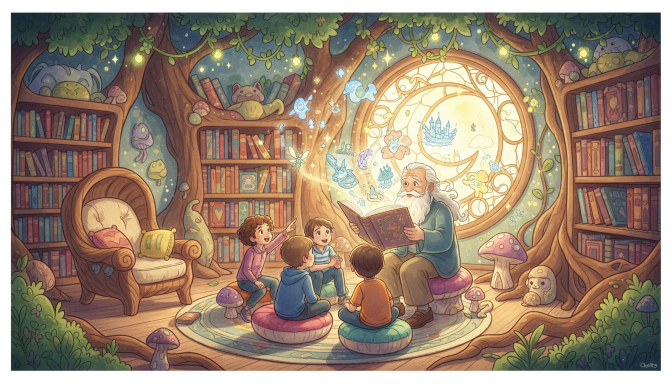
Tonight I told my kids The Tortoise and the Hare while fishing a half-chewed carrot out of the couch. Parenting is glamorous, right? But damn if that sleepy turtle didn’t spark the best chat about practice and bragging. Turns out, Aesop still works—even when your audience is sticky and feral.
If your home or classroom is chaos (same), here’s how I retell these classics so modern kids actually listen, laugh, and think. Spoiler: we tweak, question, and sometimes let the mouse save the lion with a 3D-printed trap cutter. Sound wild? That’s the fun.
Why bother with Aesop in 2026?
Short answer: the problems are timeless. Friends who brag, kids who rush, lies that snowball—yep, still here. Fables give us a safe, funny sandbox to practice big feelings and choices without the real-life tears. Well, fewer tears.
Also, the stories are bite-sized. Perfect for attention spans that reset every time a cat walks by. Two minutes to read, a lifetime of “remember the turtle” jokes.
Wait, what exactly are Aesop’s fables?
Tiny stories, huge punchlines—usually with animals making very human mistakes. They’re like moral snack packs. The tortoise wins by being steady, the boy learns not to yell “wolf” for fun, the lion needs help from someone small. Easy to grasp, easy to remix.
Old tales, new spins (that kids actually love)
I swap settings, gadgets, and details so the lessons feel close to home. Not changing the heart—just the outfit. Have you ever seen a hare rage-quit because the Wi‑Fi hiccuped? Exactly.
- The Tortoise and the Hare becomes a school fun-run where the hare keeps stopping to post victory selfies, while the tortoise just jogs with a playlist.
- The Boy Who Cried Wolf turns into a group chat rumor that backfires—no one shows up when a real problem hits.
- The Lion and the Mouse gets a playground twist: a “big kid” stuck in the slide and the smallest kid knows the trick to unjam it.
Practical storytelling that fits real life
I keep language simple, punchy, and inclusive. I ask questions mid-story: “What would you do?” or “Who’s being fair here?” And when the room goes feral, I pause, breathe, and pick the story back up—because perfection is fake and bedtime is already late.
Inspiring picks: books, audio, and remix-friendly formats
We’re loving goofy retellings that flip the script (think “fables upside down”), plus comic-style versions for visual kiddos. Audiobooks are clutch on car rides—two minutes in, the backseat philosophers appear. If you want fresh, kid-friendly reads and audio, peek at readfluffy.com for ideas that don’t require a PhD or twelve cups of coffee.
The good stuff fables grow on the inside
Empathy blooms when kids sit with a nervous turtle or a proud hare and think, “Oof, I’ve been there.” Critical thinking shows up when they predict outcomes or argue for a different one. Values land softly—honesty, patience, courage—without me turning into a lecture robot.
Interactive activities (aka keeping them awake)
- Speed Swap: Tell a classic, then retell it with a modern twist—phones, bus stops, soccer practice. Ask who changes and who stays the same.
- Choose-Your-Ending: Pause before the moral and let kids pitch three endings. Vote, then compare with the original.
- Role Reversal: Make the “small” character the hero first. Then try the “big” character learning humility. Fairness hits different when they play both.
- Prop Jam: Grab socks, paper crowns, a whisk—instant costumes. Five-minute skits count. Messy = memorable.
- Value Hunt: After the story, name the value in one word—“patience,” “bravery,” “honesty.” Stick it on the fridge. Boom, daily reminder.
What experts say (in normal-people language)
Educators have long seen that short moral tales spark big discussions even in wiggly groups. Research highlights that talking about characters’ feelings boosts empathy and theory of mind, and inviting kids to predict outcomes strengthens critical thinking. Retelling stories in their own words supports language growth and self-control—yes, even when someone is wearing a dinosaur tail.
Practical tips you can use tonight
- Start tiny: one fable, two minutes. Ask one question: “What would you do?”
- Update the setting: swap forests for school hallways, dens for bedrooms, scrolls for texts.
- Invite a remix: “How would this go on a team?” or “What if the hare was kind?”
- Keep it inclusive: vary names, abilities, and family shapes. Ditch stereotypes—kids notice that stuff.
- Let them interrupt (within reason): questions mean they’re engaged, not rude.
- End with a micro-action: “Tomorrow I’ll practice slowly like the turtle for 5 minutes.”
- Celebrate the try: if the moral flops, shrug and laugh. Parenting is a long game, and sometimes the hare just needs a snack.
Real talk to wrap it up
Some nights the story lands and we high-five like champs. Other nights someone cries because the tortoise looks like our neighbor’s turtle and now they miss the turtle. That’s okay. The point is we showed up, told a small, mighty story, and practiced being human together.
Got a wild remix or a classroom win? Drop your best fable twist with me—and if you want fresh stories that fit real life, swing by readfluffy.com. Now if you’ll excuse me, I have to rescue a stuffed lion from the laundry basket. Again. 🦁✨