


Preschool Nap Magic: Using Fairy Tales Before Rest Time
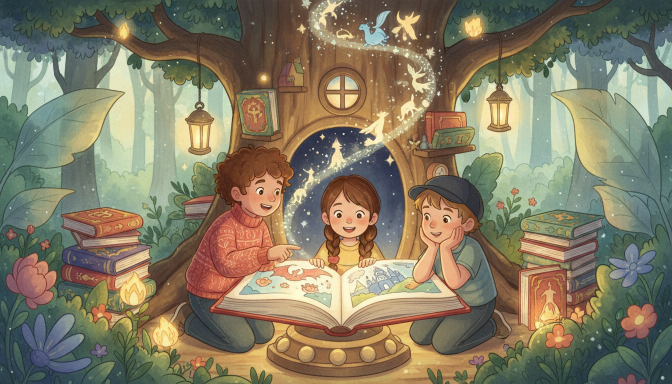
Why fairy tales before nap are damn near magic
I’m a parent who has begged the nap gods for mercy, and let me tell you, a tiny story can work bigger miracles than my strongest coffee. Right before rest time, kids’ bodies are fidgety, their brains are buzzing, and someone is always missing a sock. A short, cozy story is like a landing strip for little nervous systems. It says, hey team, we’re safe, we’re calm, and it’s okay to drift.
In preschool, that moment matters. A steady routine plus a gentle tale can turn pre-nap chaos into actual quiet breathing. Not silent, because let’s be real, but quiet enough to feel like a win. And some days a win is everything.
How to pick just-right tales for the youngest listeners
Think soft rhythms, friendly characters, and endings that feel safe. Keep it short, 5–8 minutes tops, with simple plots and cozy repetition.
Great picks that kids love:
- Goodnight Moon by Margaret Wise Brown
- Brown Bear, Brown Bear, What Do You See by Bill Martin Jr. and Eric Carle
- Dear Zoo by Rod Campbell
- Owl Babies by Martin Waddell
- The Very Hungry Caterpillar by Eric Carle
- Czech favorites: Krteček The Little Mole by Zdeněk Miler, O pejskovi a kočičce by Josef Čapek, Křemílek a Vochomůrka by Václav Čtvrtek, and gentle adaptations of Božena Němcová’s fairy tales
Pro tip from a tired mom: if you can hum it, it helps. Rhyming or rhythmic texts slow everyone’s heartbeat, mine included.
Storytelling methods teachers swear by even on wild days
Use your voice like a dimmer switch. Start bright and playful, then dial it down to warm and low by the final page.
- Set the scene: lights a little lower, a calm signal sound a soft chime or finger cymbals, and one simple prop like a soft puppet
- Slow the tempo: elongate phrases toward the end, breathe between sentences, leave tiny pauses for the kids to lean in
- Repeat anchors: predictable refrains invite whisper participation and reduce jitters
- Keep it short and sweet: aim for 7–10 minutes max including a one-minute cuddle-breath at the end
I’ve tried to outrun preschool energy. Spoiler: it outruns you. Guiding it gently works better, and saves your voice.
What fairy tales build in those busy little brains
Language and speech: rich vocabulary in small, friendly doses. Imagination: images bloom even with eyes closed.
Social-emotional smarts: kids practice empathy, predict feelings, and try on solutions safely. Self-regulation: the rhythm of the story plus your steady tone helps bodies downshift.
And that group hush when the wolf tiptoes or the moon glows That’s early attention control, the good kind. Holy nap time, it actually helps.
Turn stories into play without hyping them up
Keep it calm, keep it light. Activities should settle kids, not send them back up the wall—learned that the hard way 😅.
- Paper or stick puppets: two characters max, act one scene quietly at the rug
- Soft dramatization: roles done in place, sitting or lying on tummies, with whisper voices
- Movement mini-games: tiptoe like mice, float like a feather, curl like a hedgehog for winter rest
- Felt board sequencing: three-picture order beginning, middle, end
- Circle chats: one question, one sentence answers How did the bunny feel when it got lost
What the experts keep telling us
Psychologists love predictable routines and co-regulation. Your calm voice and a familiar book can lower group stress fast.
Special educators recommend visuals: a simple picture schedule story, breath, rest, and choice boards pick the story animal hat. Wordless and low-text books also shine because kids build the tale with you.
Trends in children’s lit: diverse, gentle adventures; everyday heroes; sensory-friendly design; bilingual editions. And fairy tales as cultural heritage still matter—local stories help kids feel rooted and proud.
Real talk from a parent to every preschool teacher
Some days the room is a tornado in tiny socks. If the story flops, it’s not you. It’s Tuesday.
Try again tomorrow with a calmer opener or a shorter book. My kid once announced mid-story that he needed to inform the class about worms. Cool cool cool. You kept reading. That steady presence It’s gold.
Partnering with parents without extra burnout
We’re tired. You’re tired. Let’s keep it simple and doable.
- Send a one-line note home What we read today, ask your child about the owl’s feelings
- Share a two-minute voice note of your calm story tone parents can echo it at bedtime
- Rotate a tiny book bag one family per week with a postcard how to read it slow
- Invite family tales Ask for a lullaby, a proverb, or one cozy object for the story basket
- Offer a short curated list and printable routine card story, three breaths, lights, rest
Want quick, ready-to-use story playlists Try this gentle collection at readfluffy.com. If it saves one teacher voice from cracking, worth it.
Quick-start guide for tomorrow’s pre-nap story
- Pick one short, soothing book with repetition
- Dim lights, ring a soft signal, invite belly breaths
- Read slower than feels normal, drop your volume by the last page
- End with a one-line mantra It’s safe to rest now
- Hum a quiet refrain while kids settle, then silence
Key takeaways, from one frazzled heart to another
- Short, cozy fairy tales plus routine calm the room fast
- Your voice is the tool start bright, land soft
- Keep activities low-energy to extend the calm
- Invite parents in with tiny, doable actions
- Perfection is a myth consistency wins
Look, I’m not a magician. But stories are the closest thing we’ve got. Try a one-week experiment and watch the shift. Then tell me you didn’t feel that sweet, sweet exhale.
If you’ve got hacks that actually work, share them with your fellow teachers. And if you need fresh, nap-friendly stories without the hunt, visit readfluffy.com and build a calm corner that works on a Monday.
References and further reading
National Association for the Education of Young Children NAEYC recommendations on read-alouds and routines
Martin, A. J., & others Studies on teacher-student co-regulation and classroom calm
Waddell, M. Owl Babies as a model for gentle separation themes
Čapek, J. O pejskovi a kočičce cultural heritage tales adapted for preschool
Carle, E. The Very Hungry Caterpillar rhythm and repetition for early literacy