


How to Draw an Introverted Child Into Storytelling (No Pressure)
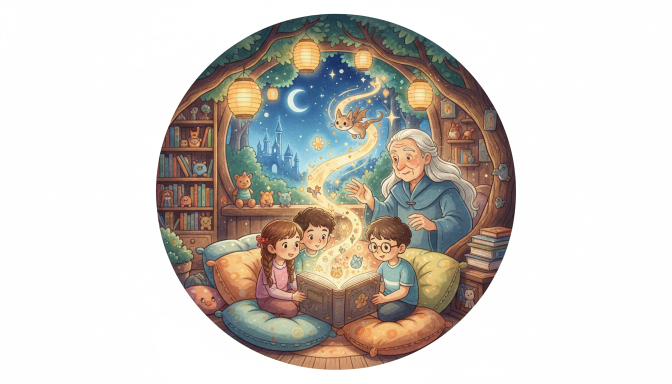
Last night I asked my kid, “How was your day?” and got the classic one-word shrug: “Fine.” Cool cool cool. But then I pulled out a tiny fox puppet and whispered, “The fox forgot his snack… think anyone shared?” Suddenly I got a full plot twist with feelings, snacks, and a heroic banana. Parenting magic? Maybe. Also: stories are sneaky bridges for quiet kids.
If your child clams up when it’s time to talk, same. It’s not defiance. It’s energy math. Talking can feel like a damn marathon, and sometimes their brain is busy building whole worlds we can’t see—yet.
What “introverted” really looks like (and why it matters)
Introverted kids aren’t broken extroverts. They often think deeply, notice everything, and refuel in calm spaces. Big-group chatter can fry their circuits; small moments feel safer. When we meet them where they are, words come easier—sometimes sideways, through story.
Start here: safety first, words later
Skip the spotlight. Create a cozy routine: dim lamp, blanket, a favorite stuffed friend. Let the story carry the load while your child listens, points, or taps to choose what happens next.
Try a no-pressure entry: “Want to pick a character?” “Should the dragon be sleepy or silly?” They can answer with a point, a thumbs-up, or a sound effect. No speeches required.
Choosing the right stories (that feed the inner world)
Reach for calm, character-first tales with gentle stakes: quiet heroes, animal friendships, nature adventures, and everyday feelings. Wordless picture books are GOLD because your child can “read” with their eyes and choices. Audiostories with soft pacing help too—great for car rides when talking feels like work.
Examples to explore: wordless adventures like “Journey,” feeling-forward reads like “The Quiet Book,” and simple fables where small choices matter. If a story is loud or buzzy, trim it down or read in shorter chunks. It’s okay to pause. It’s okay to skip. You’re the DJ.
Storytelling techniques that actually work (no pushing)
Keep questions tiny and specific. Broad stuff like “What happened?” can freeze any kid. Try a gentle menu instead.
- Two-choice questions: “Forest or beach?” “Cat or turtle?”
- Show and point: Lay out 3 picture cards and let them choose the next scene without talking.
- Side-door prompts: “If the turtle could text, what emoji would it send? 🐢✨”
- Puppets and props: Let the puppet be shy, too. It can whisper, nod, or cover its eyes. Your child often mirrors that safe play.
- Draw it out: “Want to draw what the dragon smells?” Scents and sounds are easier than big feelings at first.
- Soundtrack mode: You do the sound effects; they just tap for louder/softer. Boom—participation without pressure.
Keep the tone playful. If they say one word, celebrate it like it’s a Broadway solo. If they say nothing, also a win—listening is part of the story dance.
Why this helps (brains love stories)
- Confidence: Tiny choices stack into “I can do this.”
- Vocabulary: Words sneak in through images, rhythms, and repeated phrases.
- Emotion mapping: Characters give kids safe distance to name “mad,” “nervous,” or “lonely.”
- Connection: You’re co-creating, not quizzing. That matters—A LOT.
Real-life, zero-fuss activities for home or school
- Picture-Only Night: Tell a story from a wordless book. Your child taps to turn the page when ready.
- Sticky-Note Plot: Draw 4 boxes: Start, Problem, Helper, Ending. Let your kid place sticky doodles in each box. Done.
- Puppet Phone: Puppet whispers to you; you “translate.” Later, let your child whisper back to the puppet. Drama with training wheels.
- Sound Story: Pick 5 sounds (rain, footsteps, door creak, cat purr, drum). You perform them while your child points to order. Instant plot.
- Treasure Map Walk: Hide three objects; each object “tells” the next part. Movement helps shy words come out.
- Quiet Radio: Try a short, gentle audiostory during snack. Afterward ask, “Thumbs up, down, or sideways?” That counts as discussion.
What research says (the nerdy-but-useful bits)
Child development research backs the slow, steady approach. Responsive “serve-and-return” moments (you offer, they respond in any small way) build trust and language. Reading aloud—even just a few minutes—supports attention, emotional regulation, and vocabulary. Visuals and play props act like scaffolding: they lower the bar to entry so kids can take risks safely.
Helpful thinkers and themes to explore: Susan Cain on introversion and honoring quiet strengths; the American Academy of Pediatrics on the benefits of reading aloud; the Center on the Developing Child on “serve and return”; Vygotsky on scaffolding and learning through play; narrative therapy ideas about “putting problems outside the person.” No PhD required, promise.
Quick-start cheat sheet (because life is busy)
- Make it cozy: light low, blanket, one toy.
- Go nonverbal first: pointing, tapping, thumbs.
- Offer choices, not tests.
- Use pictures, puppets, and soft sounds.
- Keep it short; end while it’s still fun.
- Celebrate tiny wins like they’re huge—because they are.
One last messy, honest note
Some nights my kid says exactly zero words. I still count it as a win if we shared a smile and the fox puppet got a snack. Progress is rarely a straight line. Love and repetition do sneaky, beautiful work.
If you want gentle stories that do the heavy lifting for you (yes please), explore more at readfluffy.com. And tell me: what’s your kid’s favorite quiet-time character—the sleepy dragon or the banana hero? Drop it below so we can steal each other’s best ideas. We’re in this together, even when bedtime feels like a damn boss level. 💛