


Grimm Brothers vs Czech Fairy Tales: What’s Different for Kids?
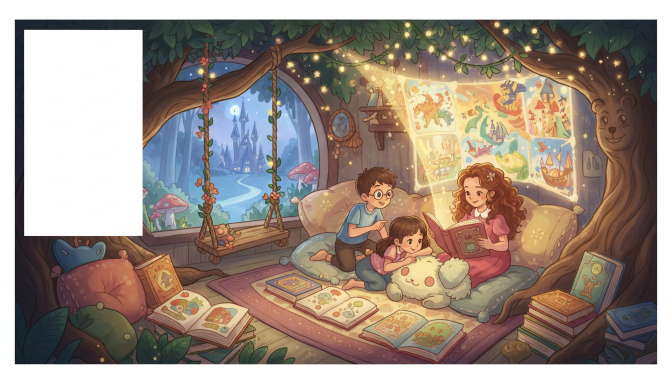
Last night, my kid asked for “the one with the breadcrumbs, but also the silly devil who loses his boots.” So, basically Hansel & Gretel meets a Czech čert. Did I mash them together because it was 8:47 p.m. and my tea was cold? Damn right I did—and it worked.
Why even compare Grimm and Czech fairy tales?
Because stories are little training wheels for feelings, choices, and courage. Grimm tales hit hard on consequences; Czech classics lean into wit, warmth, and community. Together, they balance fear and hope like a bedtime see-saw. And for parents and teachers? They’re a ready-made toolkit for values without the lecture.
Quick snapshot: who are the Grimms vs the Czech tradition?
The Brothers Grimm were German scholars collecting folk tales in the 19th century—think forests, wolves, and moral clarity (plus a sprinkle of original darkness). Classic Czech fairy tales grew from village storytelling, theater, and literature, shaped by authors like Božena Němcová, Karel Jaromír Erben, and later Karel Čapek. The language? Grimm can feel formal and stark; Czech tales often sound like your witty uncle telling a story over soup. Different roots, different rhythms.
Grimm specifics: themes, characters, and morals
Grimm stories love clear cause-and-effect—be brave, be honest, don’t eat the damn candy house. You’ll meet stepmothers, wolves, and mysterious helpers who demand a price. Justice can be sharp, but modern kid-friendly versions soften the edges. The tension keeps kids glued; the payoff makes the lesson stick.
The magic of Czech tales: motifs, heroes, and values
Czech tales cheer for the underdog—hello, Honza (Johnny), the clever farm boy who naps and still wins. You’ll find kind princesses, playful devils (čerti), and the water goblin (vodník), plus a deep respect for nature and neighborly kindness. Humor is the secret sauce; problems get solved with wit, patience, and a little dumpling-powered stamina. The vibe is cozy, communal, and quietly brave.
What to read: safe, fun picks for different ages
Age 3–5 (short, gentle, lots of pictures)
- Grimm: The Bremen Town Musicians, The Elves and the Shoemaker, Cinderella (adapted)
- Czech: The Three Golden Hairs (adapted retellings), The Devil and Kate (very gentle versions), classic Czech bedtime compilations inspired by Božena Němcová
Age 6–8 (adventure, brighter stakes, happy landings)
- Grimm: Hansel and Gretel (adapted), Rumpelstiltskin, Snow White (kid-safe editions)
- Czech: Honza tales (the lazy-but-lucky hero), The Princess with the Golden Star, Nine Fairy Tales by Karel Čapek
Age 9–12 (richer language, bigger themes)
- Grimm: The Twelve Dancing Princesses, The Fisherman and His Wife, The Juniper Tree (choose editions thoughtfully)
- Czech: Božena Němcová’s Fairy Tales anthologies, Erben’s selections (curate for sensitivity), Čapek’s The Long Cat Tale and more
Tip: If your kid is sensitive, pick editions labeled “adapted” or “retold,” and preview the spookier bits. No shame in an on-the-fly edit—I skip the creepy stuff when bedtime is already on thin ice.
Storytelling style: original vs adapted, and what kids hear
Original Grimms can be blunt and old-timey; adaptations smooth the language and sand down the shock. Czech stories often linger—more banter, more village life, more “let’s be decent humans.” That difference matters: kids learn not just outcomes, but how people talk to each other. Translation note: names like Honza or vodník are fun to say—lean in and make it silly.
Why both help kids grow: brains, hearts, and guts
Grimm tales build pattern-spotting and moral reasoning: actions have consequences, choices matter. Czech tales nurture empathy and community thinking: kindness, cleverness, and teamwork save the day. Together they boost vocabulary, cultural curiosity, and resilience. Also, they make great “remember when” family jokes—gold.
Interactive tips: easy home and classroom wins
- Character face-off: Compare a Grimm hero with Honza. Who wins a kindness contest? A smarts contest?
- Change the ending: Keep the lesson, swap the tone—Grimm plot, Czech humor. Your kid will cackle.
- Prop box theater: Spoon = magic wand. Pot lid = shield. Go full drama for five minutes and call it literacy.
- Map the journey: Draw the forest or the village. Stickers for helpers, stars for challenges.
- Values check: Ask, “Who felt scared? Who helped?” Tiny humans give big answers when you listen.
- Quick script: “Once upon a snack time, Honza met the Wolf. They shared dumplings, then...”—let your kid finish.
- Bonus calm hack: If nerves spike, switch to a Czech-style kindness beat. Works like bedtime magic.
What the experts say (without the homework vibes)
Bruno Bettelheim wrote about tough themes helping kids process fear when stories end in safety. Maria Tatar and Jack Zipes highlight how versions change with culture—why some tales feel stern while others tease a smile. Czech educators note the social warmth in village-style storytelling, which supports empathy and belonging. Child psychologists often recommend mixing classic tales with gentler local stories to balance courage with comfort.
Bottom line: mix and match without guilt
Use Grimm when your kid craves stakes and structure; reach for Czech tales when you need softness, humor, and a win for the little guy. On messy nights, blend them—nobody’s grading you. The goal isn’t perfect storytelling; it’s feeling safe, seen, and a little braver before lights out. And if you want fresh reads without hunting the whole internet, try a story sprint on readfluffy.com—pick a vibe, hit play, breathe.